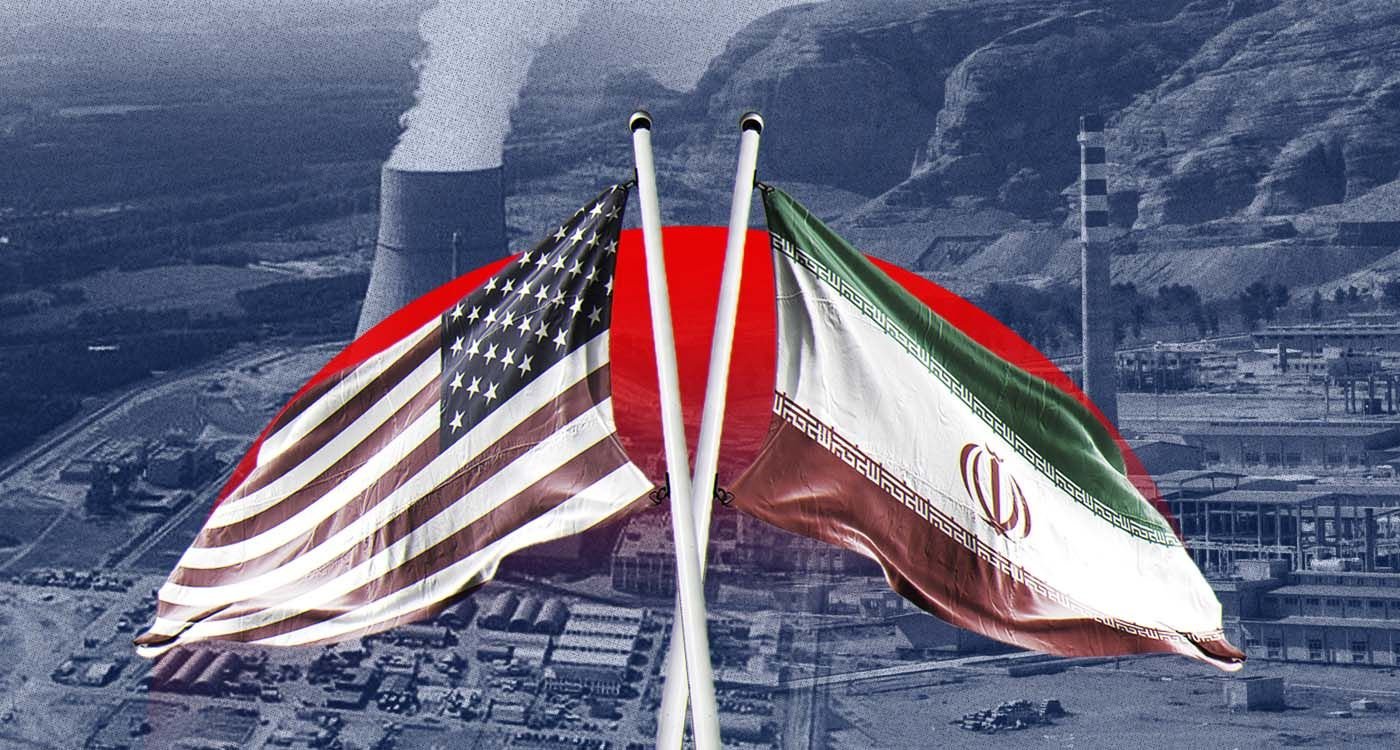
The confrontation between the United States and the Islamic Republic of Iran has entered a volatile new phase in 2026, characterized by high-seas interceptions and advanced cyber warfare. This cycle of escalation is no longer confined to proxy battles in the Levant but has shifted toward direct kinetic posturing in the Strait of Hormuz. The 2026 standoff is driven by the collapse of residual back-channel diplomacy and Iran's accelerated nuclear enrichment program, which Western intelligence suggests has reached a critical threshold.
Nuclear Thresholds and Maritime Security
A primary driver of the current conflict is the 'breakout time'—the period required for Iran to produce enough weapons-grade uranium for a nuclear device. As of early 2026, international monitors have raised alarms over enrichment levels exceeding 85 percent at subterranean facilities. In response, the US has deployed a second carrier strike group to West Asia, initiating 'Operation Sentinel II' to protect global energy lanes. This maritime friction has resulted in multiple "grey zone" encounters, where unmanned surface vessels and fast-attack craft have challenged international shipping.
Conflict Escalation Cycle:
Nuclear Enrichment Expansion → US Maritime Sanctions → Strait of Hormuz Posturing → Regional Proxy Activation
Regional Implications and Global Energy
The conflict in 2026 carries significant weight for global energy markets, as nearly 20 percent of the world’s petroleum passes through the Persian Gulf. For India, the stakes are twofold: energy security and the safety of the extensive Indian diaspora in the region. New Delhi’s diplomatic stance remains one of "Strategic Equidistance," urging a return to the Joint Comprehensive Plan of Action (JCPOA) framework while strengthening its own maritime presence to secure trade corridors.