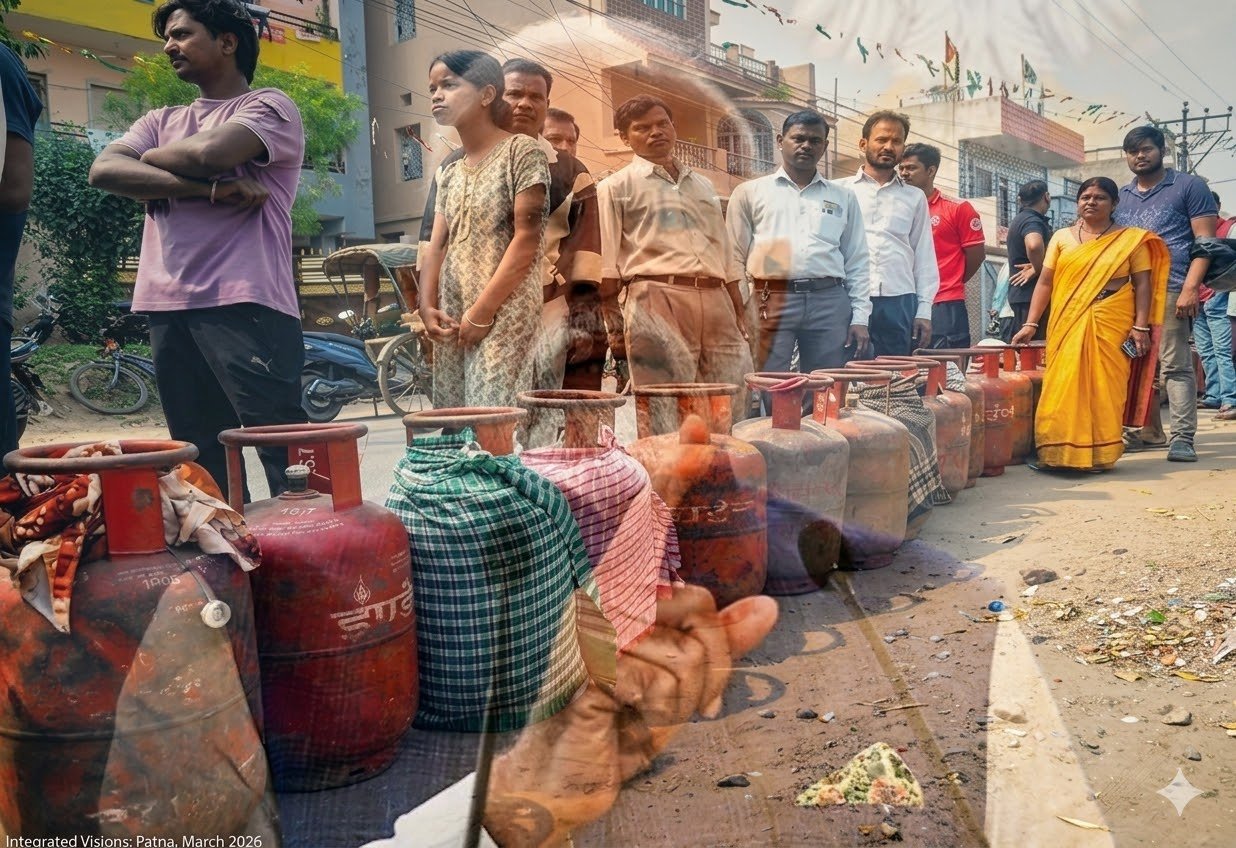
LPG Shortage in India amid Iran-US War: Explained
Why is it in the News?
The Central Government has brought LPG and petroleum lubricants under the purview of the Essential Commodities Act to stabilize market supply amidst the ongoing US-Iran military escalation. This decision allows for strict monitoring of warehouses and distribution centers to prevent illegal stockpiling and price gouging during the current energy deficit.
Official readouts from the Ministry of Consumer Affairs emphasize that there is no shortage of physical stock in national reserves, but the logistics of the supply chain have been strained by the maritime blockade in the Persian Gulf. For Aspirants, this situation provides a critical perspective on "Supply Chain Vulnerability" and the legal powers of the state during a National Economic Emergency. The focus remains on the rapid stabilization of retail prices to prevent a broader inflationary shock to the rural economy.