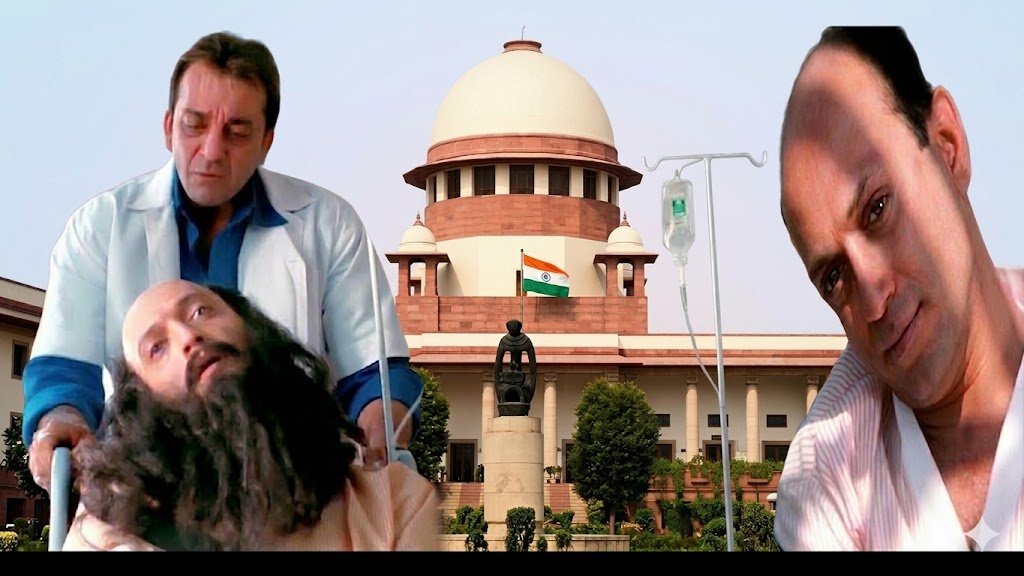
Supreme Court Allowed First Passive Euthanasia: Explained
The Supreme Court’s decision to allow the withdrawal of life support for a man in a persistent vegetative state has set a significant legal precedent for medical ethics in India. The ruling clarifies the operational procedures for "Living Wills," removing the procedural bottlenecks that had previously made passive euthanasia nearly impossible to execute even with a valid directive.
Official readouts from the Ministry of Law indicate that the government will now work toward streamlining the guidelines for Medical Boards across all state-run hospitals. For Aspirants, this case is an essential study in "Constitutional Morality" and the expansion of Article 21 to include "negative rights"—the right not to be subjected to unwanted medical treatment. The focus remains on the judicial oversight required to protect vulnerable patients while respecting their prior-expressed wishes.